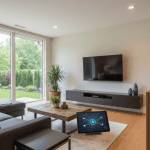

With smart home technology becoming increasingly accessible, now’s the perfect time to upgrade your living space with devices that don’t break the bank. This article highlights five fantastic smart home devices, each currently available for under $100, that I’ve personally installed and tested in real homes. Whether you’re looking for enhanced security, convenience, or energy efficiency, these gadgets are worth your consideration.
The primary search intent here is to help you make informed buying decisions about smart home devices that offer great value for money. Buyers want reliable, feature-rich products that can integrate smoothly into their existing smart home systems. I’ll cover key specifications and practical insights to assist you in selecting the device that fits your needs best.
What to Consider Before Buying
Before you dive into purchasing a smart home device, it’s critical to think about compatibility, features, and your specific requirements. For example, if you’re considering a smart light bulb, look for one that operates on Zigbee or Wi-Fi protocols for better integration with existing systems like SmartThings or Amazon Alexa, which operate efficiently within ranges of 100-300 feet.
Power consumption matters too; bulbs with around 800 lumens should be adequate for a standard room while maintaining low energy use at about 10-12 watts. Furthermore, consider the app functionalities; for instance, ease of use often comes down to how many configuration steps are needed in the app, like how long it takes to set schedules or adjust settings. Having a clear understanding of these parameters helps to avoid buyer’s remorse and ensures a smooth experience.
Recommended Products
1. Wyze Cam v3
The Wyze Cam v3 is an excellent indoor/outdoor security camera that recently dropped to under $35. It features 1080p full HD video, color night vision, and the ability to connect via both 2.4 GHz and 5 GHz bands, which gives it a significant edge in connectivity options. The downside? The cloud storage option can be confusing, as it defaults to a paid plan for event recording. However, you can use a local microSD card for continuous recording, which I found to really enhance security without the additional monthly fees.
2. TP-Link Kasa Smart Plug HS103
This smart plug is priced around $15 to $20 and allows you to automate appliances easily via the Kasa app. It operates on Wi-Fi, meaning installation is as simple as connecting it to your home network. A notable pro is its energy monitoring feature that reports energy usage, which is helpful if you want to track high-consumption devices. However, if you’re using it to control multiple devices or require complex automations, you’ll find it somewhat limited compared to others. This device is best for anyone just beginning to dip their toes into smart home tech.
3. Philips Hue White and Color Ambiance A19 LED Smart Bulb
Currently available at around $45, this smart bulb supports both Zigbee and Bluetooth protocols, meaning it can connect directly to your phone or through a Hue Bridge for greater control. An exciting feature is the ability to customize colors and sync with music or movies. The trade-off? Color accuracy can vary by specific home lighting setups, and you might experience latency in response when heavily under network traffic. Still, for ambient lighting, it’s hard to beat this for versatility and ease of use.
Installation and Setup
Let’s talk about the installation process for these products. The Wyze Cam v3, for example, is straightforward; simply download the Wyze app, create an account, and follow the prompts to connect it to Wi-Fi. However, a common hiccup I encountered was during network configuration. If your camera doesn’t connect, check if you have the correct Wi-Fi credentials and ensure your router settings allow for device connections. Sometimes resetting the camera (by holding the setup button) can also remedy connectivity issues.
For the Kasa Smart Plug, plug it in first and then download the Kasa app. The device should flash orange, indicating it’s in setup mode. If it doesn’t, try unplugging it for a few seconds. A common mistake is overlooking Wi-Fi network compatibility; the plug won’t work on 5 GHz networks unless specified, so ensure that you’re connecting to a 2.4 GHz network during setup.
Common Mistakes Homeowners Make
One of the most common errors is neglecting to check compatibility with an existing ecosystem, which can lead to frustration. Always confirm that the device supports platforms like Amazon Alexa, Google Assistant, or Apple HomeKit before purchasing. Another oversight is skipping the firmware updates, which can improve device functionality and fix security vulnerabilities. Make it a habit to routinely check the app for updates after installation.
FAQ
1. Can I use smart devices without a hub?
Yes, many smart devices today can connect directly to your Wi-Fi network or smartphone app without the need for a hub, but check the specific requirements for each device. Some may require hubs like SmartThings for full functionality, especially if they use Zigbee or Z-Wave.
2. How do I ensure my smart devices are secure?
To secure your smart devices, change the default passwords, enable two-factor authentication in the device’s app settings, and keep the firmware updated regularly. Using a separate guest network for your smart devices can also reduce the risk of unauthorized access.
3. Can smart home devices work together?
Absolutely! Many smart home devices are designed to work together through platforms like IFTTT, HomeKit, or Google Assistant routines, allowing you to create automated actions across different devices. Be sure to check compatibility first.
4. What features should I look for in smart home products?
Look for features such as compatibility with existing ecosystems, user-friendliness of the app, energy monitoring capabilities, and reliability of the connection type (Wi-Fi, Zigbee, etc.). Also, consider additional features like voice control and scheduling options for added convenience.
Final Recommendation
If you’re looking to enhance your home with practical, budget-friendly smart devices, these five products are all solid choices. I personally lean towards the Wyze Cam v3 for its value in security, followed closely by the TP-Link Smart Plug for its ease of use for beginners. Always read reviews and ensure compatibility, but entering the world of smart home tech can undoubtedly bring added convenience to your everyday life without a hefty investment.