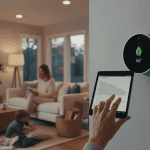
If your home’s energy bills have been steadily climbing, investing in a smart thermostat can help bring those costs down. These devices not only allow for precise temperature control but can also adapt to your schedule, learning your habits to minimize unnecessary heating or cooling. With so many options on the market, choosing the right one can feel overwhelming.
Smart thermostats vary widely in their features and capabilities, making it essential to understand what options will best fit your needs for energy efficiency. This article lists ten of the best smart thermostats currently available, focusing on their specifications, strengths, and weaknesses, ensuring you make an informed choice for your energy-saving journey.
What to Consider Before Buying
Before selecting a smart thermostat, several factors are essential to consider for maximum energy efficiency. First, connectivity type plays a crucial role. Most smart thermostats connect via Wi-Fi, allowing for remote control through a smartphone app. Some also support additional connectivity standards such as Zigbee or Z-Wave, which can integrate into larger smart home systems. Assessing how your smart thermostat will fit with your existing devices is crucial.
Another significant specification is compatibility with your HVAC system. Not all smart thermostats work with every type of heating or cooling system. For example, thermostats like the Ecobee SmartThermostat are excellent for multi-zone systems, while others might not support advanced features like variable speed systems or heat pumps. Always check the manufacturer’s compatibility list before purchasing.
User interface is also important—intuitive controls and a clear display enhance usability. Look for a model that has customizable settings accessible both on the device and within the connected app. Features such as geofencing help automate temperature adjustments based on your location, helping to save energy by ensuring heating or cooling is not running when no one is home.
Energy reports and tracking capabilities are other features to look for. Advanced smart thermostats can provide reports on energy usage, helping homeowners understand consumption patterns and adjust settings for optimal savings. Some models even offer suggestions based on real-time data.
Lastly, consider the setup and installation complexity. Many smart thermostats can be easily installed by homeowners, but for complex systems, professional installation might be required. Ensuring you choose a device that fits your skill level will save frustration down the line.
Recommended Products
1. Ecobee SmartThermostat with Voice Control
A favorite amongMany users, Ecobee combines versatility and effective energy management features. Its remote sensors adjust temperatures based on occupancy, which is particularly beneficial for larger homes. However, it may require additional setup compared to simpler models. Best suited for homeowners with varied heating needs across multiple rooms.
2. Nest Learning Thermostat
Known for its sleek design, the Nest Learning Thermostat learns your behavior and automatically adjusts settings for efficiency. Its integration with the Google Home ecosystem is a considerable pro for those already using Google smart devices. However, it may be less compatible with non-traditional HVAC systems, limiting its appeal. Ideal for tech-savvy homeowners looking for convenience and aesthetics.
3. Honeywell Home T9 Smart Thermostat
Honeywell’s T9 offers smart room sensors for targeted heating and cooling, making it a great choice for those prioritizing room-by-room climate control. Its affordable price point makes it appealing, although some users report that the app can be less intuitive compared to competitors. A great option for budget-conscious consumers with a need for tailored comfort.
4. Emerson Sensi Touch Wi-Fi Thermostat
This device stands out for its easy installation, often completed without needing professional help. With its user-friendly interface, it provides convenient energy reports which can help track consumption over time. However, it doesn’t offer the same level of advanced features and learning capabilities as higher-end models. Best for DIY enthusiasts seeking a cost-effective way to enhance home comfort.
5. Lennox iComfort S30
Designed for Lennox HVAC systems, this thermostat allows seamless integration and is packed with features. It provides advanced diagnostics directly from the unit, which simplifies maintenance. Its higher price point means it’s not the best choice for all budgets, making it more suitable for homeowners invested in Lennox systems looking for premium automation.
6. Lux Kono Smart Thermostat
This thermostat provides customization through interchangeable faceplates, allowing it to blend in with various home decors. Its scheduling options and integration with Alexa make it flexible, but some users have indicated that the app could benefit from more robust features. Perfect for homeowners who appreciate aesthetics with practical function.
7. Honeywell Home RTH9585WF
This model features a 7-inch touchscreen, offering an intuitive interface. Its smart features include energy reports and geofencing capabilities. However, its size might not appeal to everyone, and its app connectivity can be glitchy at times. Suitable for those who value a larger display and detailed energy tracking.
8. Mysa Smart Thermostat for Electric Baseboard Heating
Expertly designed for homes with electric heating systems, Mysa offers smart features focused on energy savings. This thermostat supports scheduling and geofencing and provides valuable energy reports. However, it is not compatible with forced air systems. An excellent choice for those who specifically have electric baseboards.
9. Wyze Thermostat
For those looking for a strictly budget-friendly option, the Wyze Thermostat delivers smart features without breaking the bank. It has a simple design with basic learning capabilities but lacks some advanced integrations. Best for cost-sensitive individuals wanting to dip their toes into smart home technology.
10. Tado Smart AC Control
Tado stands out for its ability to control air conditioning systems via Wi-Fi. With features like location-based control, it can help save energy effectively. However, it is limited to air conditioning and may not be ideal for homes with comprehensive HVAC systems. Great for apartments or homes needing a smart solution for AC control.
Installation and Setup
Setting up a smart thermostat can be straightforward, but it can also present challenges depending on the existing HVAC system. Start by turning off power to your HVAC unit to avoid any electrical hazards. Remove the old thermostat by disconnecting the wires and noting their labels for reference during installation.
Install the new thermostat by connecting the corresponding wires according to the manufacturer’s instructions. Most smart thermostats will provide color-coded labels to guide the connection process. After securing the thermostat to the wall, turn the power back on, allowing the device to boot and undergo the initial setup.
Installer’s note: Complex wiring scenarios, especially those involving multistage systems or incompatible setups, are best left to certified installers. If the unit does not power on or if the app cannot find the device, double-check wire placements and consult the installation manual for troubleshooting tips.
Common Mistakes Homeowners Make
One common mistake is installing a smart thermostat without confirming compatibility with the existing HVAC system. Homeowners should always check the specifications and installation guidelines to avoid potential setbacks. Another frequent error is neglecting to utilize geo-fencing features. Many devices can automatically adjust based on user location, but this setting often gets overlooked in initial setup.
Homeowners should also remember that they may need to adjust their habits. For instance, relying too heavily on manual temperature changes can negate the energy savings promised by smart thermostats. It’s important to allow the device to learn and adjust itself for optimal performance.
Lastly, homeowners often fail to explore all the features available through the app, such as scheduling options or energy reports, which could enhance their experience and lead to further energy savings.
FAQ
What is a smart thermostat?
A smart thermostat is a Wi-Fi-enabled device that allows homeowners to remotely control heating and cooling systems through a smartphone app. Many models learn user behaviors and automatically adjust settings based on habits and preferences.
How much can a smart thermostat save on energy bills?
Energy savings from using a smart thermostat can vary significantly based on factors like usage patterns and the efficiency of the existing HVAC system. Many users report reductions in energy bills, but the actual savings can depend on individual circumstances.
Can smart thermostats work without Wi-Fi?
Most smart thermostats require a Wi-Fi connection for full functionality, allowing remote control and access to energy reports. However, some basic features may still work without Wi-Fi, depending on the model.
What happens if the power goes out?
In the event of a power outage, smart thermostats will retain their settings and schedules once power is restored. However, they will not function until the power returns. Homeowners should ensure the device is not damaged during an outage by referring to the manufacturer’s guidelines.
Final Recommendation
Choosing the best smart thermostat for energy efficiency hinges on understanding your specific needs and home environment. Each of the recommended models offers unique features that cater to different circumstances. For those with larger homes or multi-zone setups, devices like the Ecobee SmartThermostat are especially beneficial. Meanwhile, budget-conscious consumers may find satisfactory performance in the Wyze Thermostat.
Investing in a smart thermostat that aligns with your heating and cooling requirements can lead to significant energy savings and improved comfort. Consider your priorities carefully, and select a thermostat that integrates well with your home’s HVAC system while offering the functionalities that matter most.